Adapted from The Strad. The passages below retain the contributors and historical issue dates cited in the Chinese article; they are translated paraphrases, rather than verbatim English quotations. Corrections to the Chinese rendering were checked against The Strad’s original compilation.

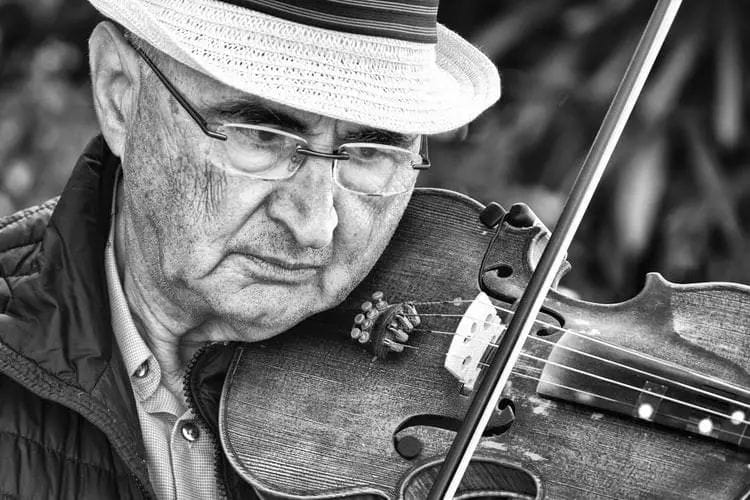
Maintain your full natural height while playing. Keep your shoulders open, allowing your ribs to move freely in relation to your spine. Many string players do not breathe well, which considerably restricts their technical ability, musical freedom and capacity to produce a beautiful tone. — Mary McGovern, The Strad, July 1999.
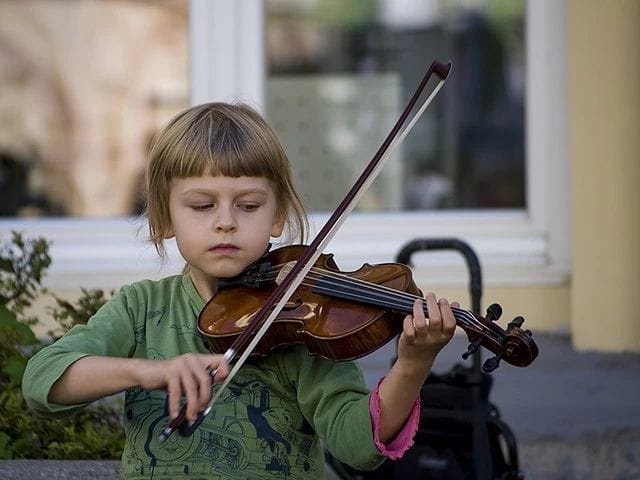
A prerequisite for a beautiful tone is having a memorable sound in your mind. Just as we imitate the accents we hear other people use, we seek to recreate the beautiful sounds we remember hearing.
Tone begins within us. To bring that inner sound to life, we need a body that moves flexibly and finds its balance. — Tanya Carey, The Strad, May 2003.
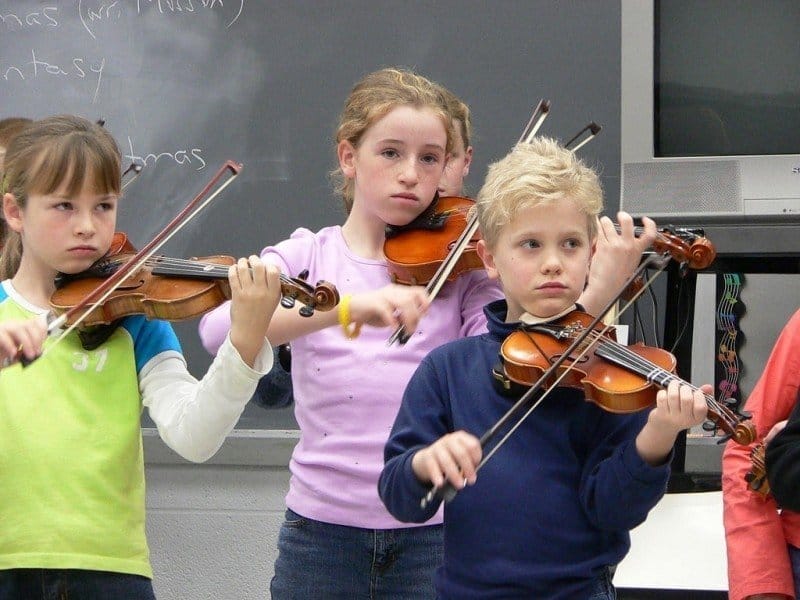
Moving the bow towards the bridge changes both the volume and the quality of the sound. A note consists of more than a single tone: it contains a series of partials. Those above the fundamental are called upper partials. The fundamental establishes the note’s pitch; the upper partials are comparatively faint, while their number and relative strengths shape the tone quality.
As a player, you hear the instrument close to your ear, whereas the audience hears it from a distance. Fischer explains this difference in terms of the upper partials fading sooner with distance than the lower ones.
Bowing closer to the bridge produces stronger, clearer upper partials than bowing near the fingerboard. The sound can seem sharp to the player, yet, as those upper partials diminish with distance, it can reach the audience as a rounded, sweet tone.
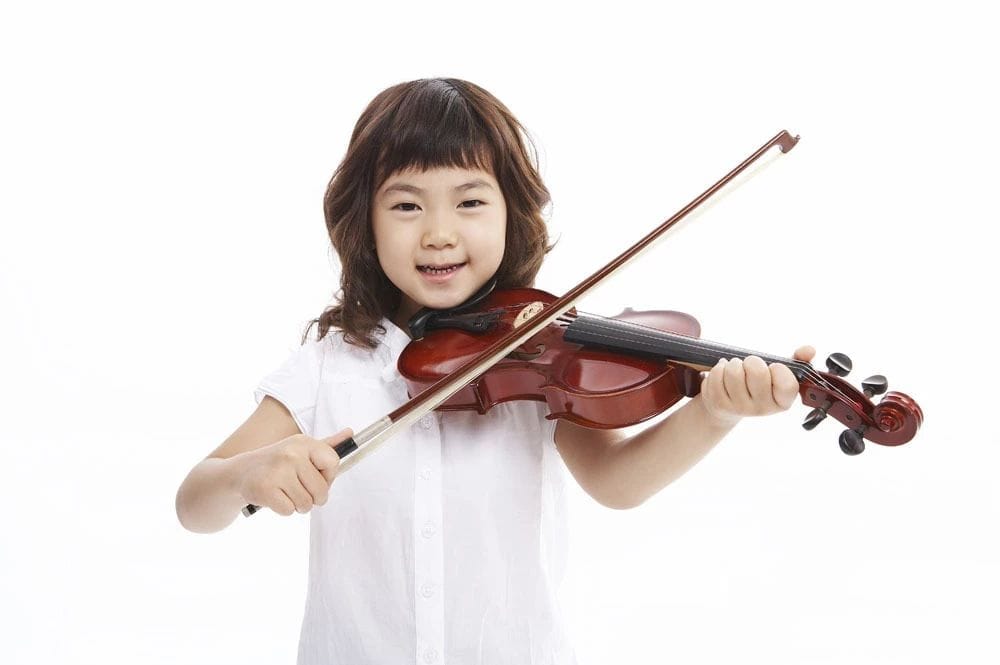
A common mistake is to assume that the sound you hear is the same as the sound heard by listeners several metres away. A rounded tone that pleases you close to the instrument may have lost so much strength by the time it reaches the audience that it sounds weak. — Simon Fischer, The Strad, September 2005.
Some violinists develop the bad habit of beginning a bow stroke with excessive force. This damages the tone immediately. Students should remember to apply only enough bow pressure to set the string vibrating, rather than pressing hard. — André La Tarche, The Strad, September 1894.
In his historical advice, Krall identifies the third of the string nearest the bridge, roughly halfway between fingerboard and bridge, as the place to produce a clear, full tone without damping it. Applying steady pressure at the same contact point makes it easier to obtain a satisfying sound.
The amplitude of vibration decreases towards the string’s fixed points, including the bridge. Krall therefore recommends moving the bow towards the bridge when increasing bow pressure: in his account, this allows greater pressure without interfering with the vibration, although the string also offers greater resistance to the bow.
He concludes that a fortissimo tone can only be produced near the bridge. — Emil Krall, The Strad, August 1911.
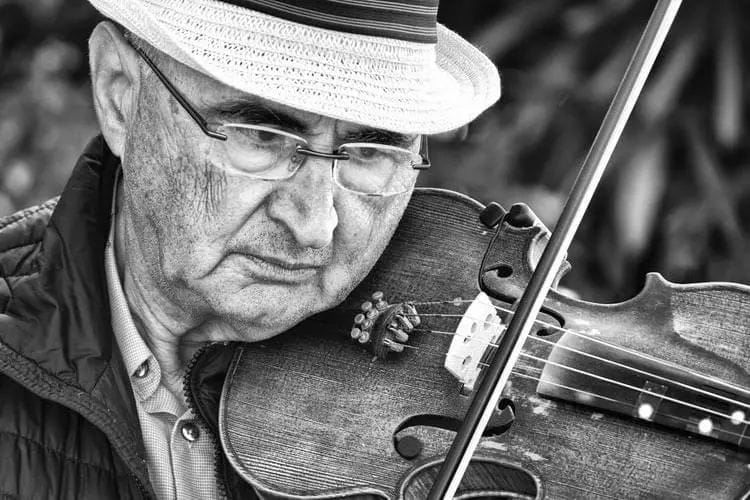
The ringing that continues after a string is plucked demonstrates resonance. I remind my students that tone does not depend only on the action that starts the sound: much of its magic and beauty lies in the way it is released afterwards.
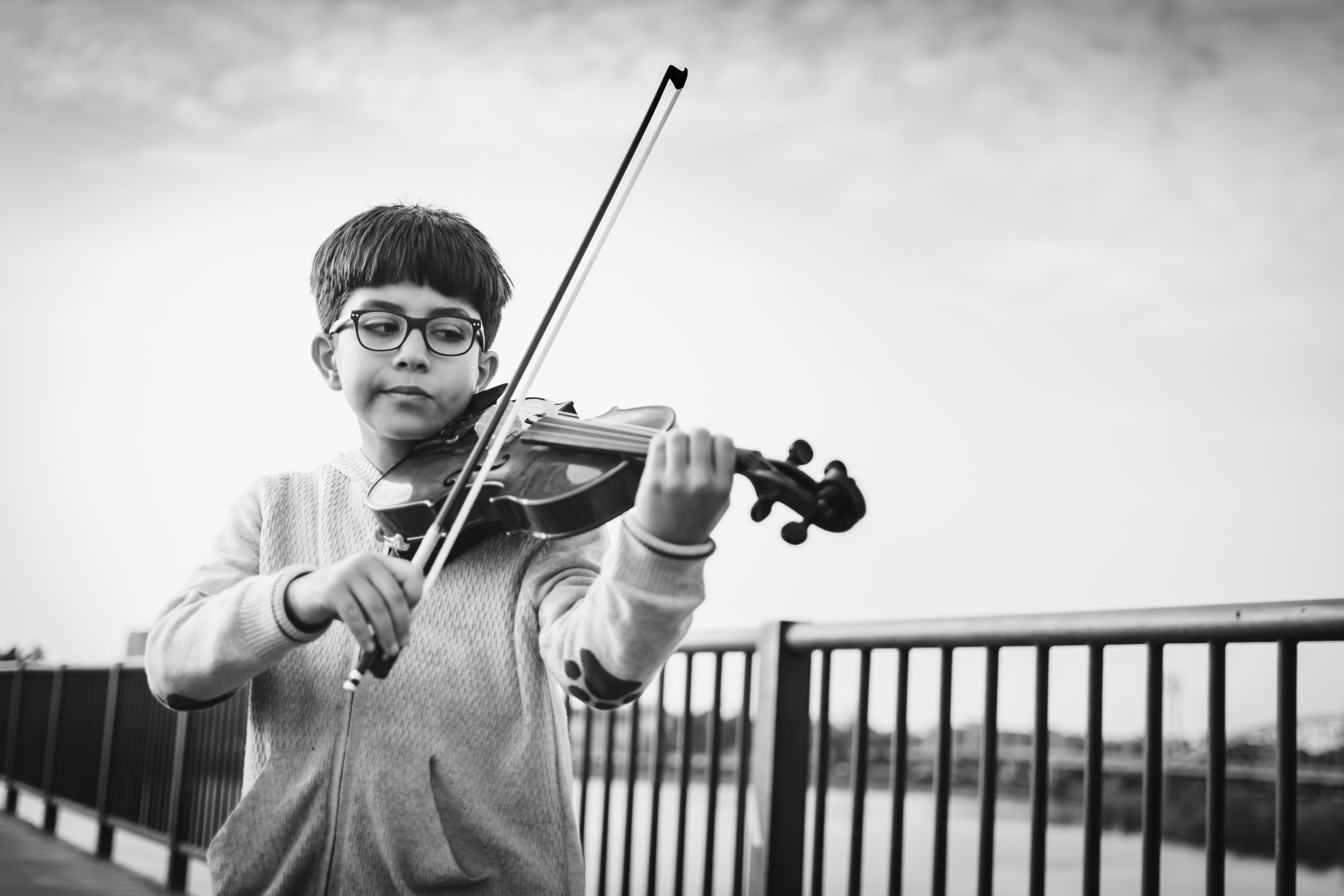
I ask my students to pluck an open string and feel the resistance it offers. The instant you engage the string, you have to work with that resistance. — Selma Gockcen, The Strad, May 2003.
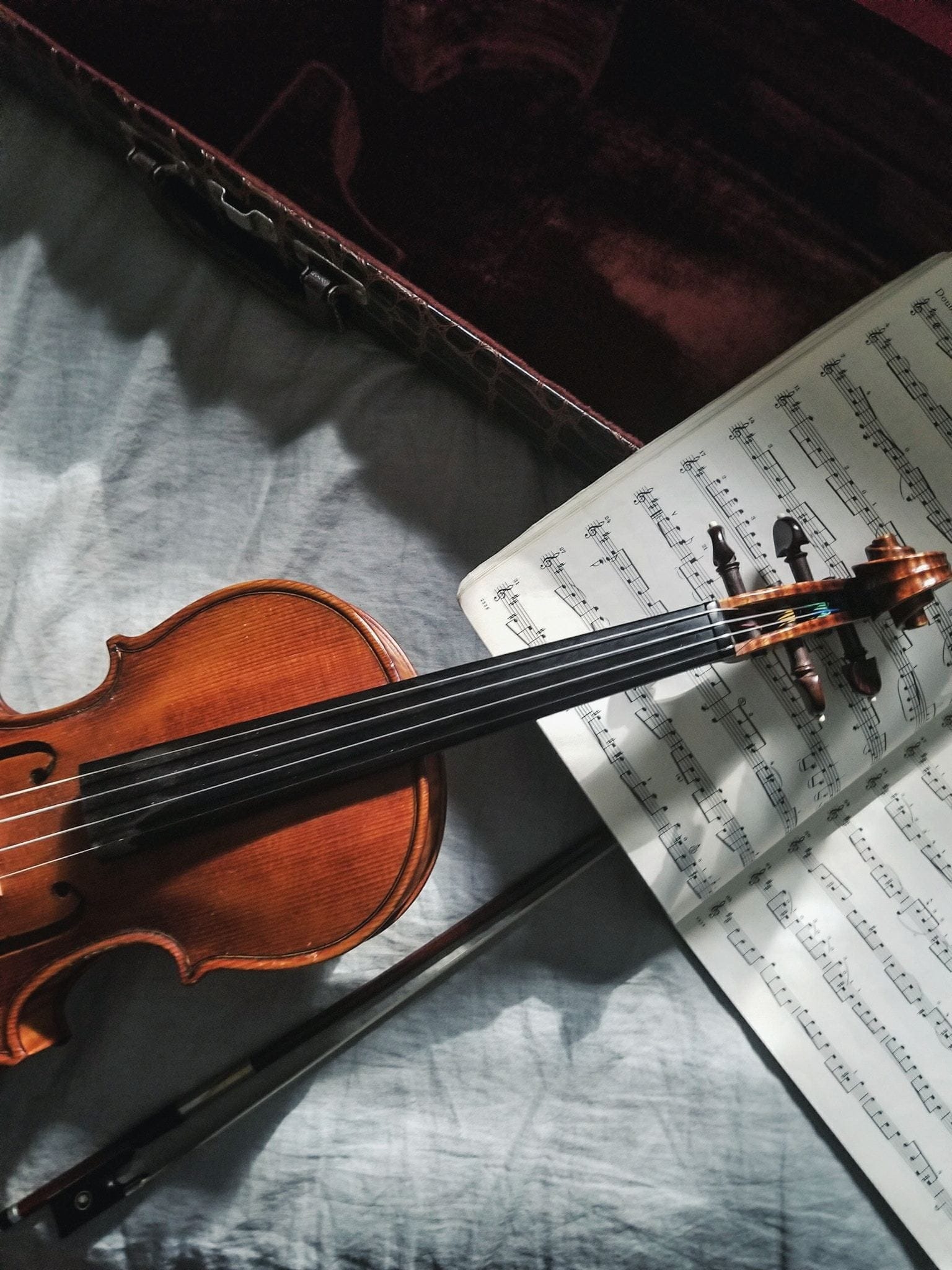
Train your stopping fingers to apply firm pressure, leaving changes in volume to the bow. Even in pianissimo, a clear tone requires sufficiently firm finger pressure. — Carl Courvoisier, The Strad, March 1893.
Vibrato also influences tone. The bow controls volume, while vibrato can enrich the tone’s colour. Students therefore need to master vibrato technique, including its speed and width. — Laurinel Owen, The Strad, May 2003.
Bow speed, bow pressure and the distance between bow and bridge are essential factors in tone production. As bow speed increases, pressure also needs to increase appropriately.
The string feels more resistant nearer the bridge, so bowing in that area requires greater pressure. Using a faster bow near the bridge therefore calls for more bow pressure. — Simon Fischer, The Strad, July 1997.
People pay to attend a concert; at the very least, they should be able to hear the instrument. — Mstislav Rostropovich, quoted in The Strad, May 2003.