This article is a parent’s account originally published on January 5, 2018. Its descriptions of practice-coaching services and app features reflect the Chinese market at that time, rather than current global offerings.
Children Need Someone to Support Their Practice
Many parents assume that their children can practice on their own initiative and that all they need to do is give them a verbal reminder.
Yet, according to one professional teacher, 95% of children cannot practice on their own initiative and need someone to support their practice to make it effective.
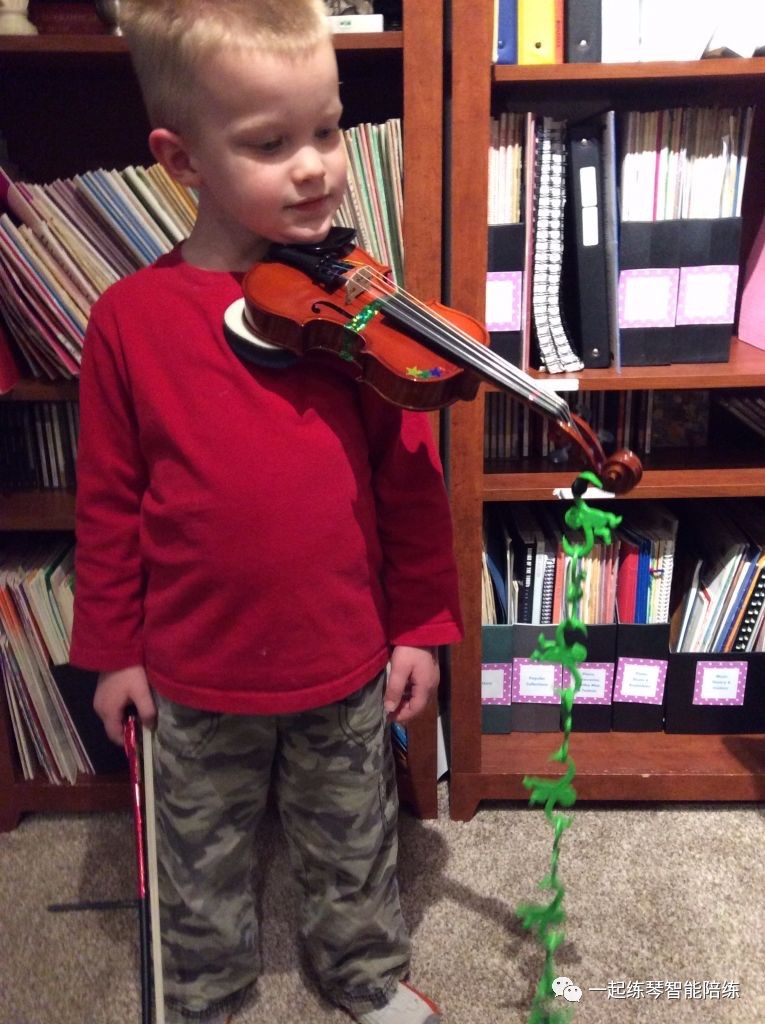
As the parent of a child learning an instrument, I have experienced this firsthand. While supporting my child’s practice, I kept emphasizing the process, steps, and methods, hoping that once my child became familiar with these routines, she would be able to practice well without my staying beside her all the time. But even when she made a practice plan step by step and reported her progress, the results were still disappointing. Her teacher challenged us: “Progress has been very poor lately.” As soon as I stayed beside her to support her practice, however, the results improved noticeably.
When I considered the reasons, some had to do with my child herself: we cannot rush things, and self-control takes time to develop. Other reasons lay in the complexity of practice itself. When you think about it, practicing an instrument is far from easy.

There are two main difficulties in practicing an instrument.
First, setting goals, breaking tasks down, and working through a plan are difficult for children.
A child has one lesson a week and practices at home every day. The goals a teacher assigns for practice between lessons are not always very specific. Breaking those goals down into daily practice tasks, carrying them out each day, and achieving meaningful results involve a degree of complexity.
Even many adults in the workplace struggle to break tasks down and achieve a goal, let alone elementary school children.
Second, practicing an instrument means continually challenging yourself and working through repetitive, tedious exercises.
Here is a little story. Once, my daughter went a long time without getting her teacher’s approval to move on from an étude. She kept playing a few wrong notes here and there, and I was getting rather frazzled myself. During a casual conversation, she told me she was in no hurry. Why? Because once she passed this piece, there would always be more pieces to learn, and they would only get harder.
Practice requires persistence every day. Each day, you have to overcome your own limitations and improve. Expecting an elementary school child to face this alone is asking a great deal.
For that matter, how many adults can do it on their own?

That is why children need someone to support their practice by helping them:
- Set goals and break tasks down;
- Supervise the practice process;
- Give feedback on the results;
- Find encouragement, even if that simply means staying beside them so they do not feel so alone.
When Parents Struggle to Support Practice, Can Someone Else Take Their Place?
Many parents say, “I don’t understand music—the violin or piano,” or “I’m busy and don’t have time. Can someone else take my place?”
This situation was fairly common, and at the time of writing there were two types of service on the market:
Dedicated practice coaches. Many students studying music, or students who had learned an instrument as children, did this work part-time.
One-to-one online practice coaching over video. A number of providers had recently begun offering this service.
In my view, turning to these third-party practice-coaching services generally raises several issues:
- Their methods may conflict with those of the child’s regular teacher.
- A coaching session every day? That can be expensive.
- In-person coaching takes considerable time. Children need to practice daily, and the little time we manage to set aside is precious.
- Online coaching relies on video communication, which is less direct; I find the results less effective.
More importantly, I believe third-party coaching only partly addresses the technical side of practice and struggles to address the psychological side. You know your own child best and can communicate with them in depth. These are issues you, as a parent, are best placed to handle.
What If Parents Do Not Understand Music Themselves?
Many parents put a tremendous amount of effort into diligently supporting their children’s practice. They deserve a thumbs-up!
The battles of wits during practice, and even the arguments, scolding, and hitting, can be difficult to put into words. You know what I mean!
Yet many parents still feel frustrated and conflicted because they really do not know much about music. Often, the reason they argue with their children—or their children refuse to follow their instructions—is precisely that they do not understand it themselves.
There are two ways to address this lack of knowledge:
- Attend your child’s lessons with them whenever you can. If you really cannot attend, stay in close contact with the teacher so you understand your child’s progress and the problems they are encountering.
- Use tools to make up for gaps in your technical knowledge.
In the two years leading up to this article, smart instruments, including smart pianos and smart violins, had begun appearing. To some extent, they could detect mistakes as they occurred during practice. There were also apps with similar functions. One example described in the original article was Violy: installed on an iPhone or iPad, it could listen to the sound of the instrument and provide feedback on errors in pitch and rhythm during practice.
With tools helping to address technical problems, and parents naturally well placed to encourage their children and provide psychological support, I believe parental practice support remains the best approach and can help children improve more quickly!