
Violy · People
“Violy · People” is a Violy interview series featuring conversations with 99 artists from China and abroad. It brings fresh artistic ideas into dialogue and explores a world of art where emotion and spirit meet.
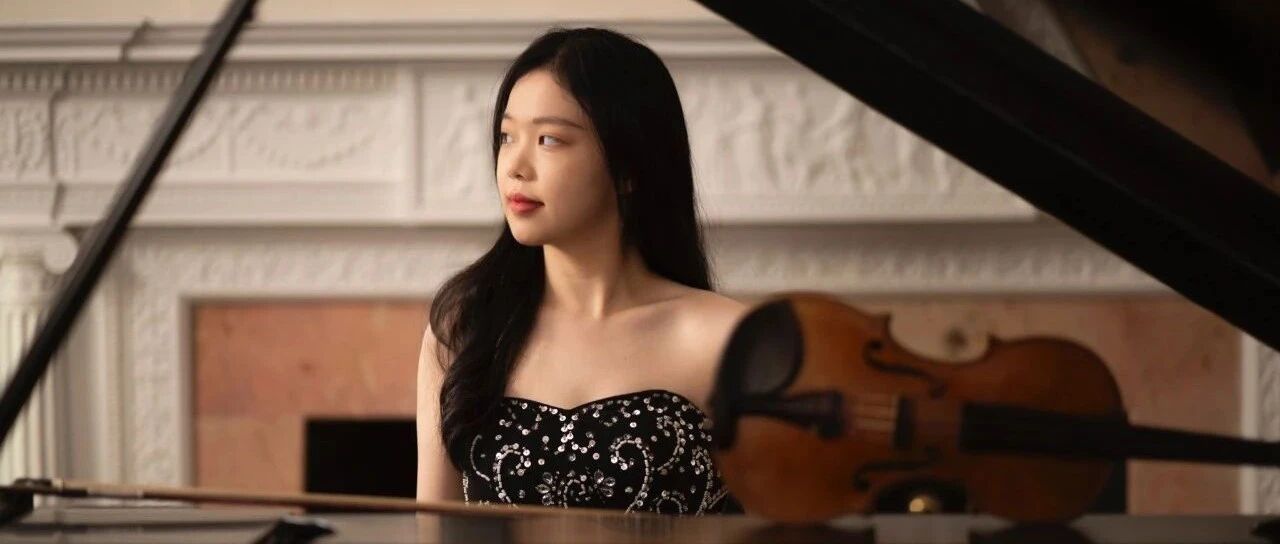
Our guest in this edition: Yiyang Hou, whose path took her from the school affiliated with the Shanghai Conservatory of Music to Curtis.
At the time of this article’s publication, she had just won second prize at the well-known Elmar Oliveira International Violin Competition. Held every three years, this competition maintains a high professional standard and seeks to discover young performers aged 18–30.
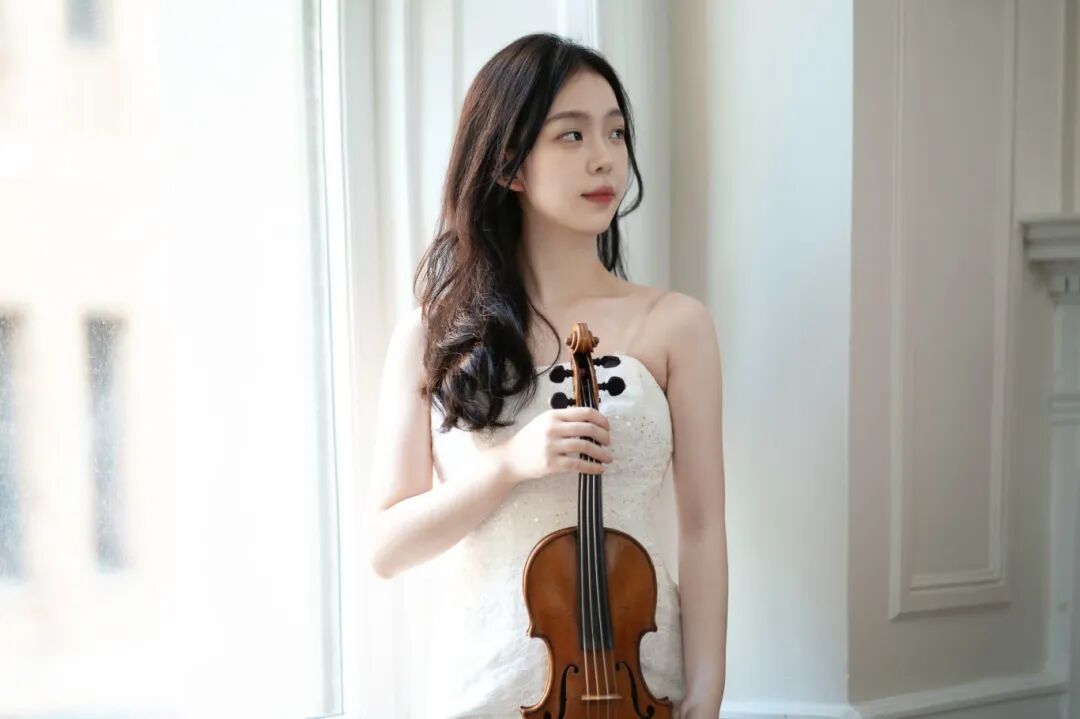
Violinist Yiyang Hou
●
○●
At the time of publication, Hou was an undergraduate at the Curtis Institute of Music in the United States, one of the world’s leading music schools. She studied with Professor Ida Kavafian, an internationally revered violinist and educator, and American violinist Benjamin Beilman.
According to the original profile, in 2023 she became principal second violin of the Curtis Symphony Orchestra, the youngest principal in the orchestra’s history.
In 2024, she was selected to participate in Belgium’s Queen Elisabeth Violin Competition, described in the profile as the youngest Chinese participant ever selected.
She won second prize at the 2026 Elmar Oliveira International Violin Competition. The article reports that she was the only Chinese finalist and achieved the best result by a Chinese competitor in the competition’s history.
A School She Had Only Dared to Dream About
▼
At 17, Yiyang Hou spent a long time hesitating in front of the Curtis Institute of Music application page.
It was her “dream school”: the alma mater of Lang Lang and Yuja Wang. The article describes it as having the lowest acceptance rate in the United States and admitting only three to five violin students from around the world each year.
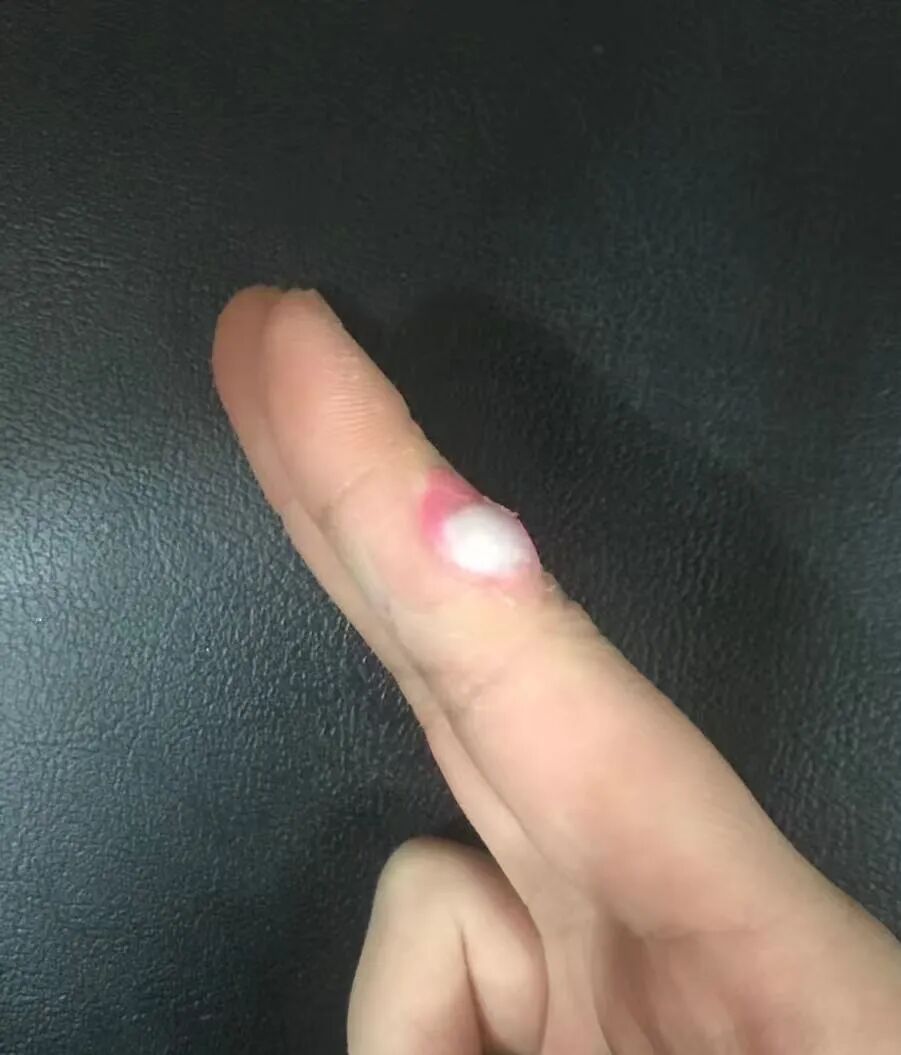
At the time, a callus on her finger had become infected and developed into a large blister. After repeated medical visits failed to resolve it, she had to stop practicing.
Studying German for an upcoming examination also took up much of her time.
“It was the best music school in the world—the very pinnacle. I could dream about it, but I didn’t dare actually apply,” she said.
It was not until the final day of the application period that a teacher in the academic affairs office finally helped her prepare her transcripts.
“If I’m going to apply, I should apply to the best. Besides, I’m only in my second year of senior high school. If I don’t get in this year, I can try again next year—or even the year after,” she thought. She successfully submitted her application just a few hours before the deadline.
She lost count of the nights she spent awake, practicing in a practice room.
Even so, she had not expected to be accepted.
At 17, according to the interview, she became the first student in nearly a decade from the middle school affiliated with the Shanghai Conservatory of Music to gain admission to Curtis.
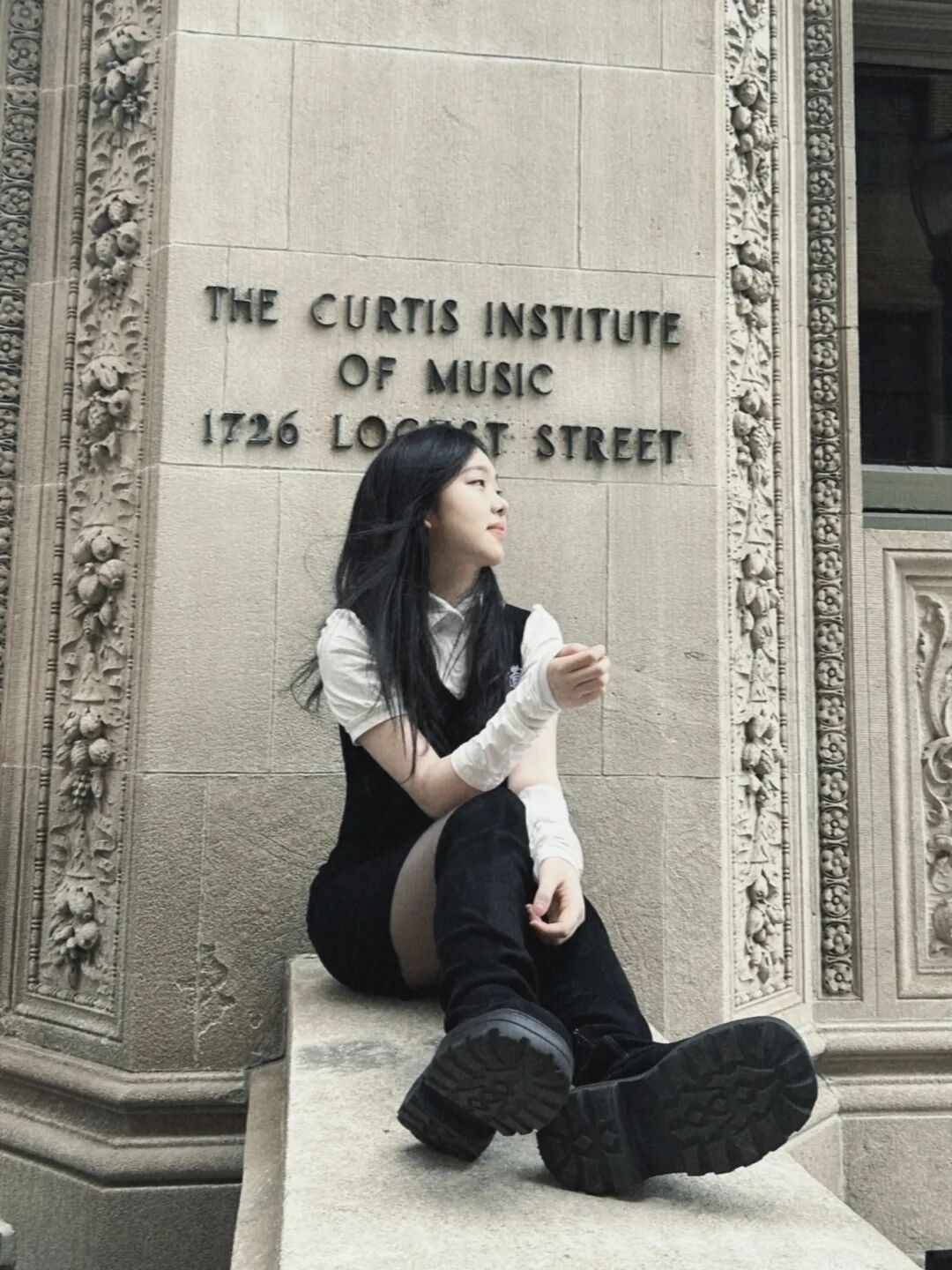
Why is Curtis considered one of the world’s leading music schools? For readers unfamiliar with it, the original article highlights these points:
-
Curtis awards all admitted students scholarships that cover tuition.
-
It is the alma mater of Yuja Wang and Lang Lang.
-
It brings together leading musicians from across the United States and around the world, giving students access to exceptional teaching resources.
-
The article describes it as having the lowest acceptance rate in the United States, making admission extremely difficult, with fewer than five places opening in each major every year.
-
The article describes a student body of no more than 200, with a high ratio of teachers to students and teaching tailored to each individual.
Her Childhood
Six Hours of Practice Was the Daily Routine
▼
Yiyang Hou was born in Ningbo in 2004. Her father, trained in classical singing, gave her her earliest introduction to music.
Her mother ran a piano shop.
Music was as familiar to her as the air she breathed growing up.
She began learning the violin at six and a half. Her mother’s philosophy was simple and direct: “If you’re going to learn, find the best teacher.” She took her to Wang Baihong, whom the interview describes as Ningbo’s best local violin teacher, for her first lessons.
When she entered a regular primary school, she attended academic classes for only half the day. Her afternoons were devoted entirely to practice: six hours every day, without exception.
“I’m not someone who relies on natural talent. Everything I can do came from practice,” she said candidly.
Fortunately, she was not a child who especially wanted to go out and play. “Practicing wasn’t particularly fun, of course, but I didn’t find it painful either.”
Quietly supporting her and giving so much of herself was her mother.
“My Mother Was Always There Behind Me”
▼
Her mother sought out Fang Lei, identified in the interview as the principal of the middle school affiliated with the Shanghai Conservatory of Music.
Every weekend, she drove her daughter two hours to Shanghai for lessons. Rain or shine, they never missed a lesson.
Her mother also stayed throughout her daughter’s violin lessons, writing down every word the teacher said in a notebook.
“My mother was afraid of missing even a single word. She even wrote down every little interjection the teacher used. As soon as each lesson ended, she would organize all the notes, turning the word-for-word transcript into a summary. So every lesson had two versions of notes.”
Over the years, those notebooks grew into a thick stack.
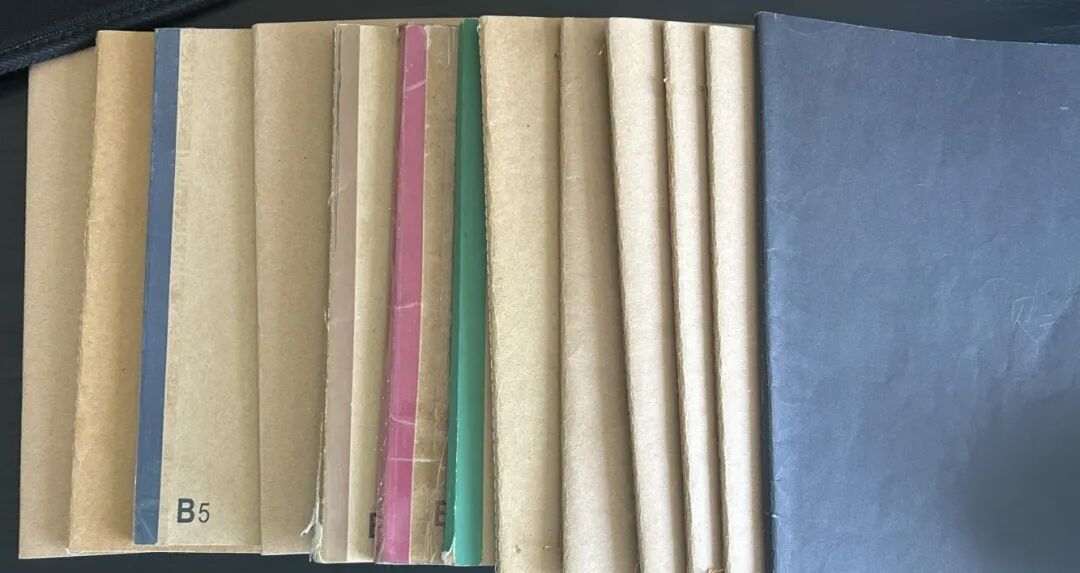
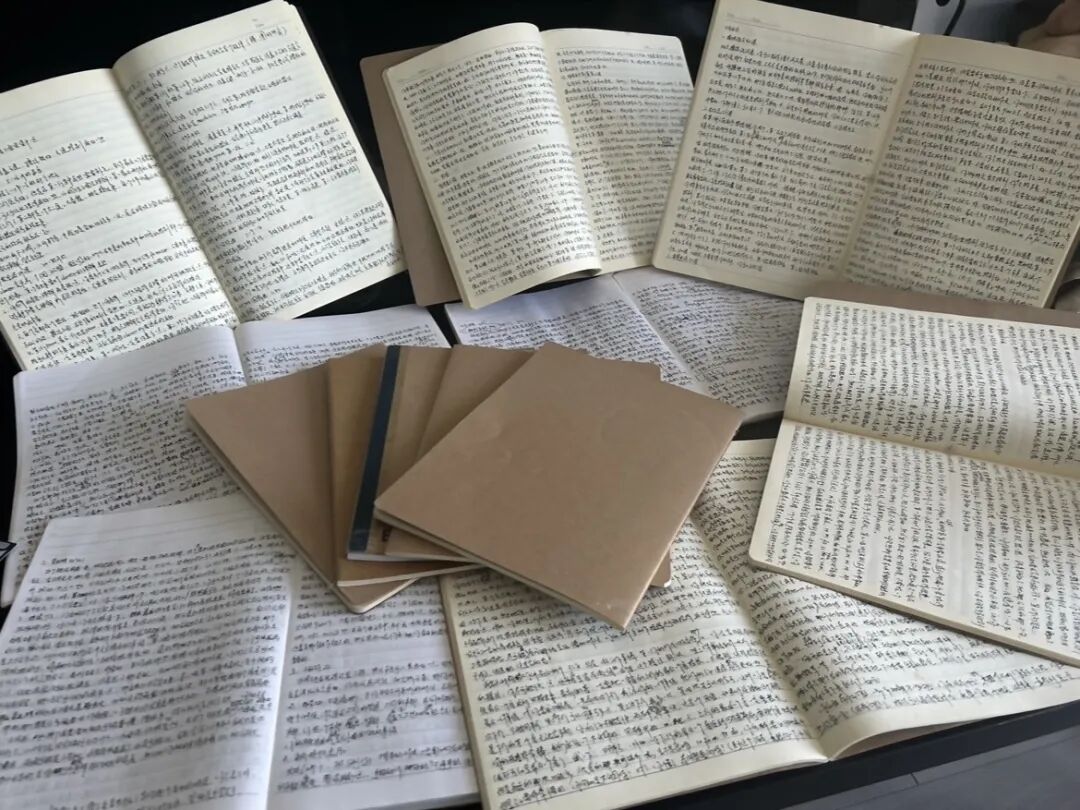
A year later,
Yiyang Hou was admitted to the fourth grade of the primary school affiliated with the Shanghai Conservatory of Music,
where she studied with Zhou Mingen, head of the strings department.
Her mother closed the family’s piano shop and moved to Shanghai to be with her while she attended school.
“When I was little, I didn’t have a strong sense of commitment to the violin,” Hou said. Her mother’s presence kept her from feeling alone or giving up.
“I take notes myself now, but I don’t think I’m as thorough as my mother was.”
She Truly Began to Love the Violin
Only After She Turned 10
▼
She started learning at six, but she did not immediately fall in love with the instrument. That happened through a subtle, gradual process.
“I didn’t find the violin interesting before,” she said, with a little hesitation.
“It wasn’t until I got into the affiliated primary school. Perhaps it was because I had entered a good environment. All my classmates played instruments, and being with friends who shared that interest made me happy. I could also perform onstage and play in ensembles. With that positive feedback and sense of achievement, I gradually realized I was beginning to like the violin.”
She cannot remember the exact day, but she remembers the feeling: as though she had found a way to speak to the world.
Her inner motivation did not awaken overnight. It developed little by little, quietly and steadily.
In 2026, She Stood at
A New Starting Point
▼
Over time, talent and effort, opportunity and preparation had come together, allowing her artistry to bear fruit. As the article recounts, in 2023 she became Curtis’s youngest-ever principal second violin, and in 2024 she became the youngest Chinese musician ever selected for the Queen Elisabeth Violin Competition.
At the Elmar Oliveira International Violin Competition in Boca Raton, Florida, on January 18, 2026, she won second prize, achieving what the article describes as the best result by a Chinese competitor in the event’s history.
As the only Chinese musician on the finals stage, according to the report, she performed with the Lynn Philharmonia under conductor Gerald Karni. Her composed, poetic playing revealed a musical depth beyond her years.
The award brought her a $15,000 cash prize provided by Tarisio Fine Instruments and Bows and a silver-mounted bow made by bow maker Vladimir Radosavljevic. It also offered the world a glimpse, in the meeting of bow and string, of a young musician shaping her future with sincerity and courage. Music, in this telling, is not a display of technique but a way for the soul to reach others.
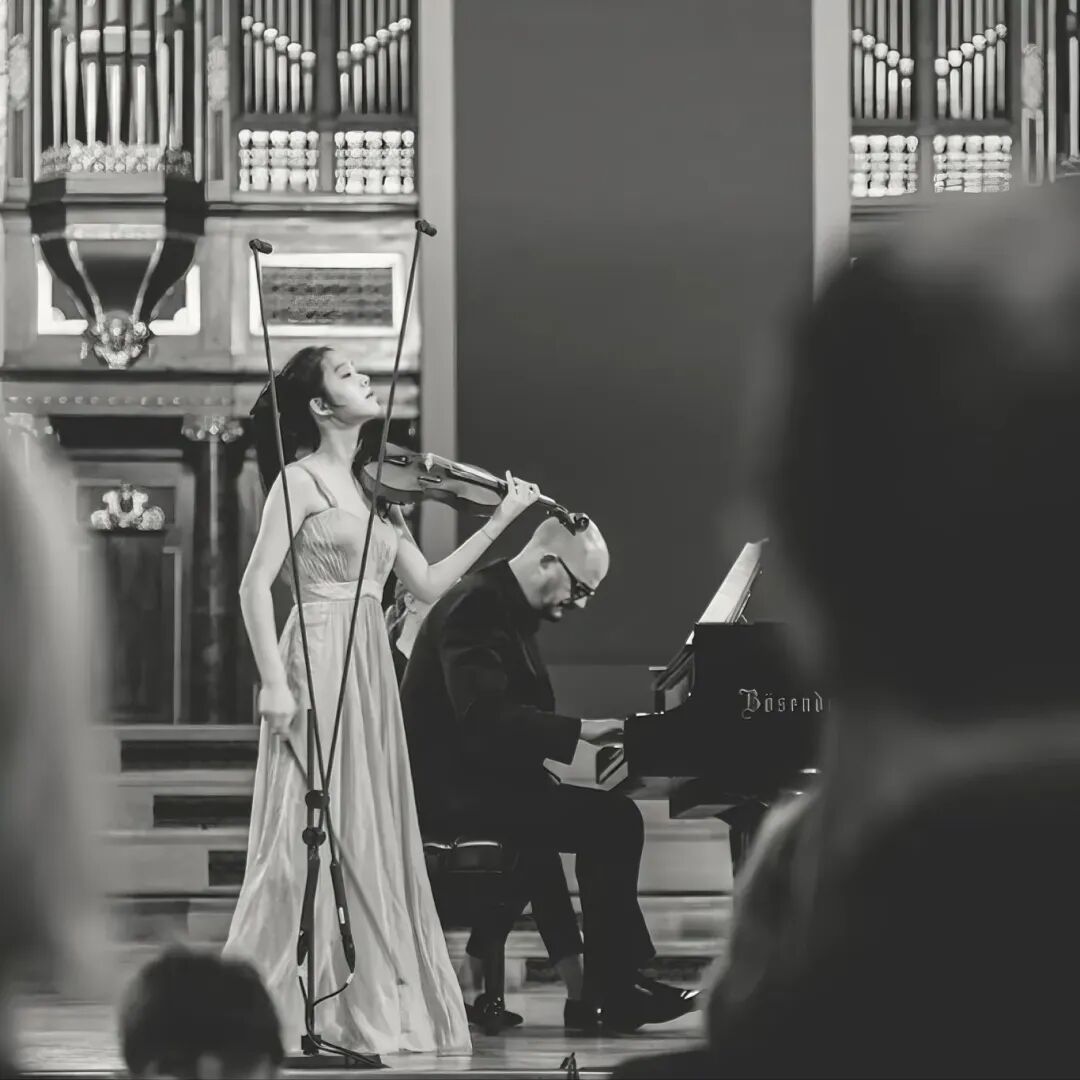
At 19, she was selected for Belgium’s Queen Elisabeth Violin Competition, described in the article as the youngest Chinese participant ever selected.
This was a new starting point. After countless journeys to lessons, countless hours in practice rooms, and countless practice sessions, she was closer to the sound she was seeking.
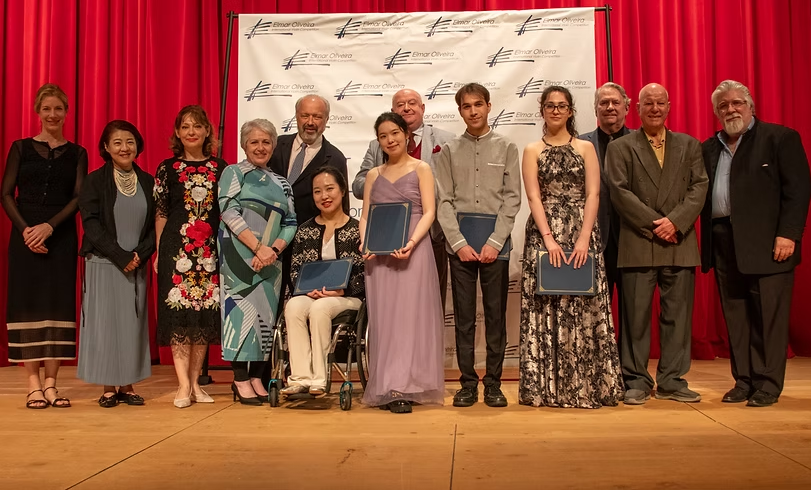
At 21, she won second prize at the 2026 Elmar Oliveira International Violin Competition. The article identifies her as the only Chinese finalist and credits her with the best result by a Chinese competitor in the competition’s history.
Closing Thoughts
▼
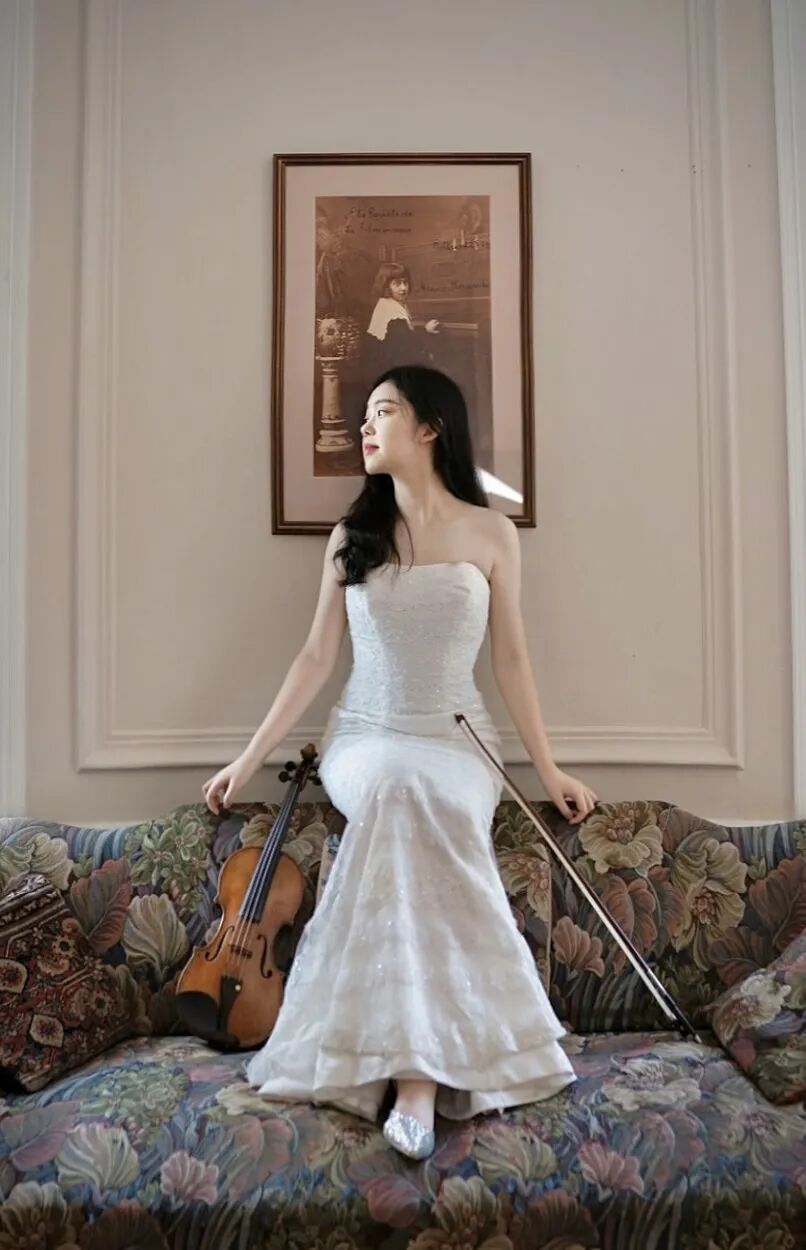
Yiyang Hou at Curtis
The story of Yiyang Hou, described as a “young prodigy,” is not a miracle.
It is a story of steady, everyday work.
What lies behind it is
countless six-hour practice sessions, repetition day after day,
and persistence through days and nights.
Even at a leading music school filled with extraordinary talent,
she has wondered whether she was good enough.
“I don’t compare myself with others. I want to be the best version of myself.”
She believes
that she came into this world to become herself:
“Other people are already being themselves, so I can’t be someone else.”
Some Reflections
for Parents
●
●
During the interview, Violy also asked her several questions that concern parents of young children learning instruments.
-
How can you tell whether a child could pursue music professionally?
-
I think you have to consider several factors, including the child’s own wishes. If the child isn’t resistant to the idea, it is worth trying.
-
Only if children truly enjoy it can they keep going.
-
Is it worth sacrificing so much playtime for practice?
-
Practice is repetitive, but it isn’t particularly painful. I’m a homebody who doesn’t especially like going out to play, so I didn’t feel I was sacrificing anything.
-
Parents often take their children to competitions and summer or winter camps during school holidays. What is your view of those activities?
-
What matters more to me is what I can learn or gain from a competition. Learning a new set of pieces, refining them repeatedly, and mastering new repertoire in preparation for a competition—that is the most valuable part. The competition isn’t the goal; it is a catalyst for the process.
-
Once we understand that what truly matters is what we gain along the way, we can make better choices.
-
I treasure every competition because I know there aren’t that many opportunities in a lifetime to stand on a competition stage. Each one I take part in leaves one fewer ahead.
-
I treasure every stage because I hope more people will hear my music.
-
I treasure every opportunity because it also lets me meet many interesting new friends.
For Violy, this offers parents a fresh perspective: set aside, for a moment, questions about whether the investment is worthwhile or whether their child will succeed, and accompany them as they search for their own “voice.”
Even if that voice is not the loudest or the most polished, it expresses what is inside them. That alone makes it worth hearing.
Music
Together
(Original interview: Zhang Qing of Violy, June 2025)
Violy App: founded in 2016.
At the time of the original article’s publication, Violy described itself as a well-regarded professional music practice app and music education media outlet in China.
Thank you for reading!
END