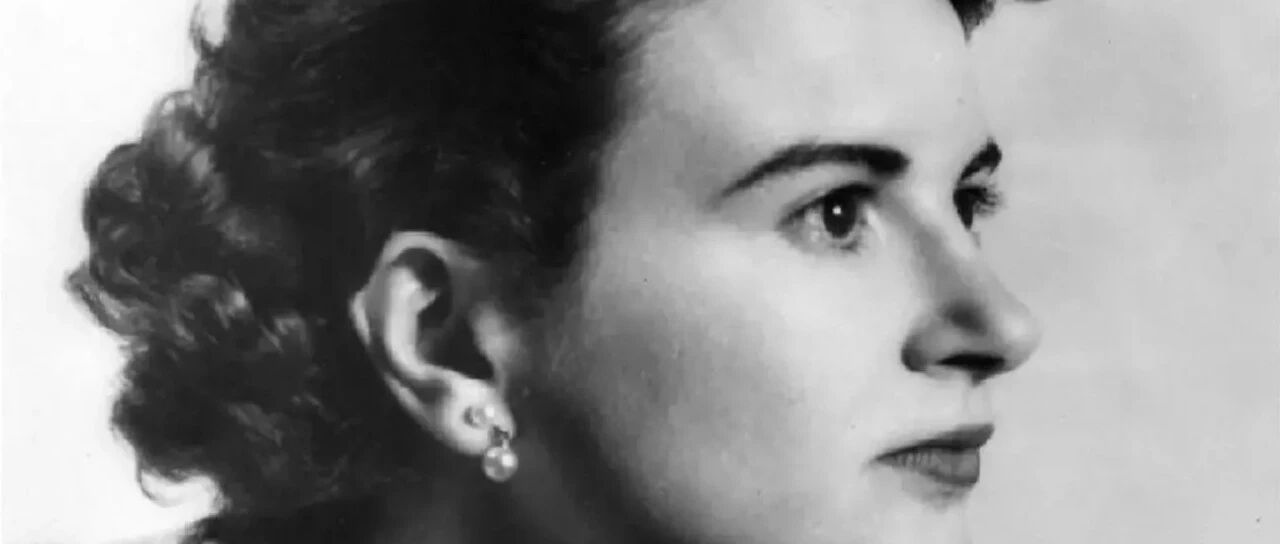
This Week, a Pianist Passed Away
On April 22, 2026, news quietly spread through the classical music community: Ruth Slenczynska had died at the age of 101.
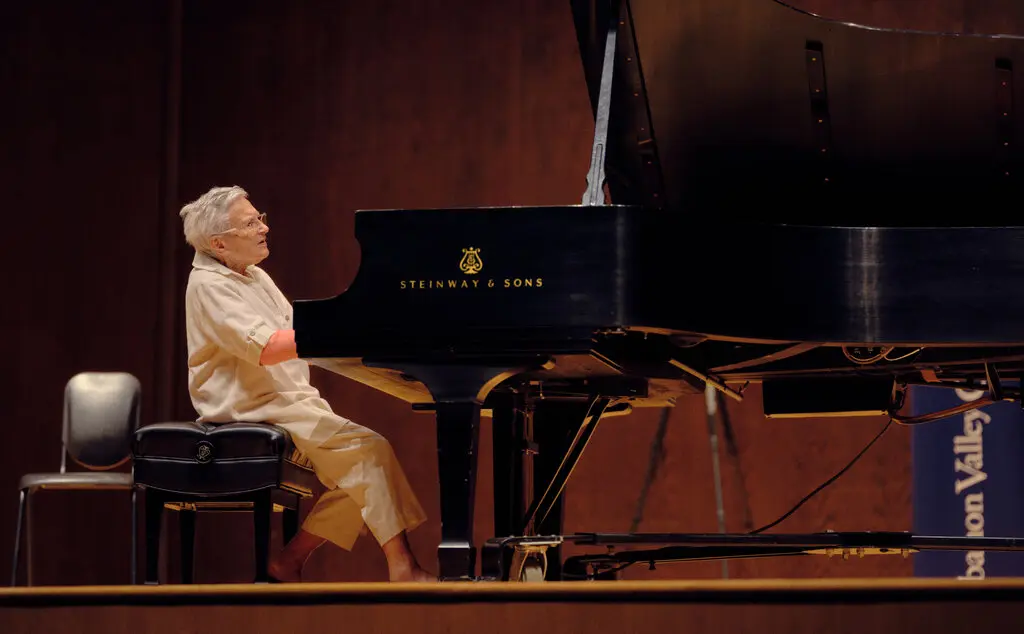
In this fast-paced age, countless internet celebrities rise and fall every day. The passing of this centenarian seemed to make little impression on trending searches. Yet for those who truly know the history of the piano, it marked the end of an era.
She was more than an outstanding pianist. She was a living history of music.
She was the last surviving pupil to have studied directly with the great Russian composer Sergei Rachmaninoff. To the author of this tribute, her passing severed our last link to a golden age of classical music in the tradition of Mozart, Beethoven, and Chopin.
But this is not a somber obituary.
Look through Ruth Slenczynska’s life story, and you will find that, beyond her awe-inspiring musical achievements, her fiercely lived life—with its upheavals and repeated reversals—was more compelling than any Hollywood film.
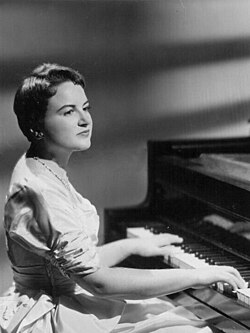
Rachmaninoff’s Cherished Pupil—and a Queen in Charge of Her Own Destiny
If a few phrases could capture Ruth’s musical career, they would be these:
She began at the top, walked away from it all, and became a legend in old age.
Everyone spoke of her as a “genius” and “Mozart reborn.” Indeed, she gave a solo recital at four and performed with a major symphony orchestra in Paris at seven. Even today, that would be a dream résumé for parents of children learning the piano.
Her teachers included some of the leading figures in classical music. She studied not only with Rachmaninoff, but also received personal guidance from masters such as Artur Schnabel and Alfred Cortot.
Her memoir recounts a particularly interesting episode: Rachmaninoff and Cortot held each other in low regard, yet Ruth secretly studied with both. She combined their techniques, and, without realizing it, each master was influenced by the other. It was like a martial arts expert learning from rival schools and bringing their strengths together.
According to the account in the original article, when Rachmaninoff was injured and unable to perform, she even took his place onstage while still a little girl.
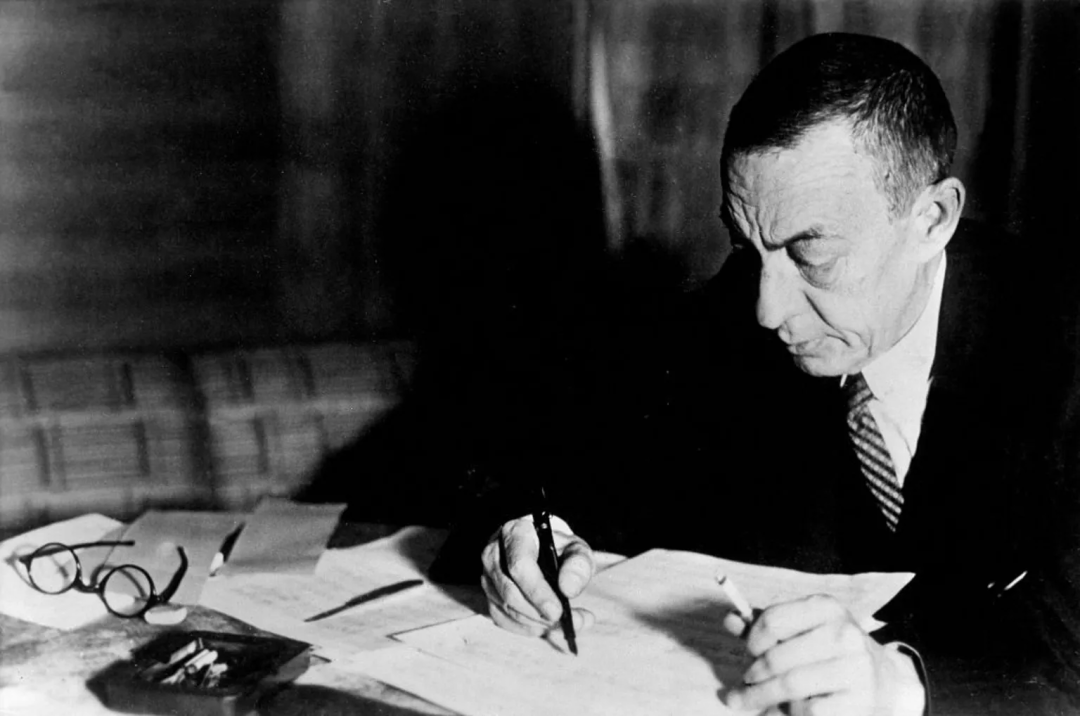
Her mentor, Rachmaninoff
What made Ruth most remarkable, however, was not how high she had risen. It was her courage to make a decisive leap away from the summit.
At 15, she made a shocking decision: “That’s it. I’m done playing!”
Surrounded by flowers, applause, and spotlights, she left the stage without looking back. The original article recounts that she cut ties with her family and went to the University of California, Berkeley, to study psychology. She married, settled into an ordinary life, and disappeared completely from the music world’s view.
More than a decade later, when everyone thought this shooting star had faded for good, she returned to the stage with a genuine, unclouded love of the piano. She was no longer a puppet driven by her father, but a queen playing for herself. At 97, she was still releasing a new piano album, My Life in Music. At 99, she could still sit at the piano and play music that bridged a century.
From a “Stolen Childhood” to Taking Back the Wheel of Her Life
A brutal truth lay behind Ruth’s seemingly glamorous childhood.
Her father, Josef Slenczynski, had been a violinist. According to the story recounted in the original article, he was badly wounded on a First World War battlefield, with shrapnel shattering his left arm. On the brink of death, he vowed to God that, if he survived, he would raise the world’s most outstanding musician.
When Ruth was born, she inevitably became the means through which her father would fulfill his ambition and honor that vow. From the age of three, he took her to Europe to study with leading musicians.
This was no education tailored to a child’s abilities. It was inhumane abuse. In her later autobiography, Forbidden Childhood, Ruth recalled those painful days. The original article renders her recollection this way: “People marveled at how well I played. The reason was simple: my father made me practice nine hours a day, seven days a week, without fail.”
The slightest lapse brought harsh scolding or physical punishment. She had no friends and no childhood. Like a miniature doll, she was forced to entertain audiences and political leaders around the world on a modified small grand piano. By 15, relentless pressure had exhausted her physically and mentally. The article recounts that one critic cruelly described her as a “burned-out candle.”
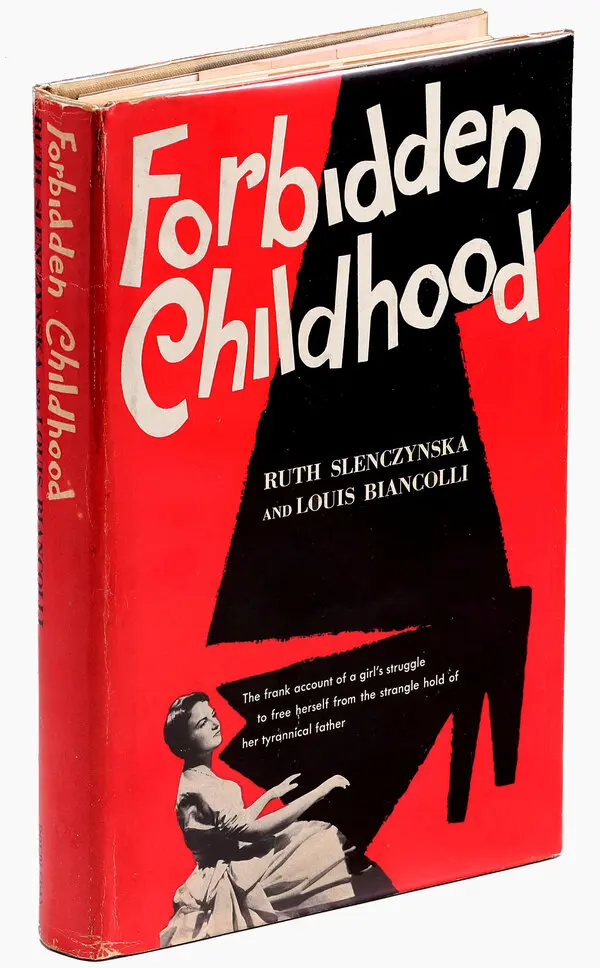
In her autobiography, she described the oppressive piano practice she endured as a child.
Leaving home at 15 was therefore more than abandoning a career. It was a desperate act of resistance against a cruel father’s authority, an escape to preserve her sense of self. The author suggests that studying psychology at university may have been an instinctive attempt to heal her emotional wounds.
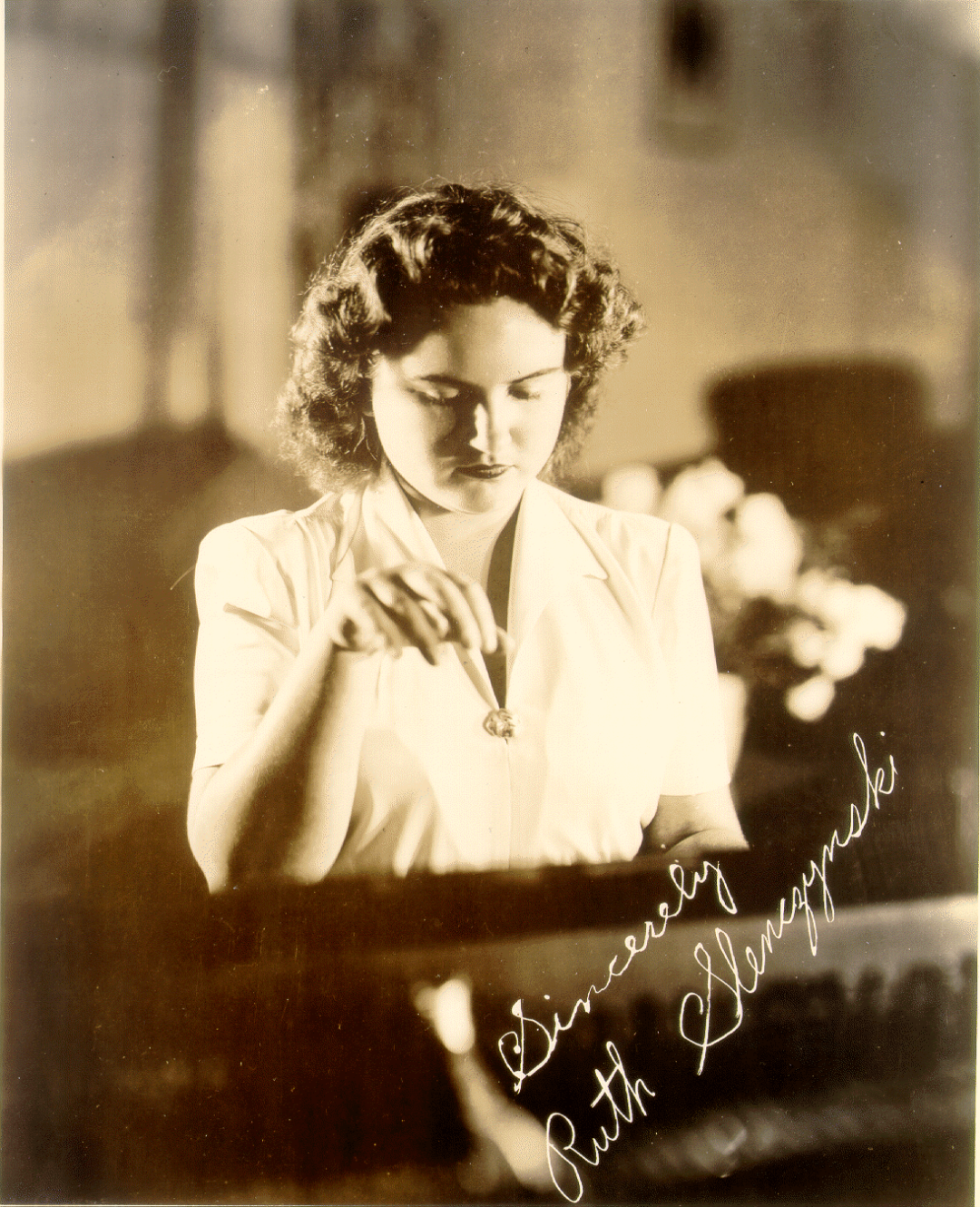
In 1951, after upheaval in her marriage and years of life experience, Ruth finally made peace with her past—and with the piano. This time, no one stood behind her with a whip. She returned her hands to the keys entirely out of an inner desire to play. Her performances after her return had less youthful virtuoso display and more of the composure and depth that come from a life fully lived. She also spent more than 20 years as an artist-in-residence at Southern Illinois University, sharing her skills and insights freely with the next generation.
A Century of Music: Living and Playing into Old Age
Returning to the stage seemed to open an extraordinary second act in Ruth’s life. There was less of the dazzling virtuosity of youth and more of the composure and depth earned through experience.
She resumed touring around the world and became a living part of history: during her lifetime, she played for five U.S. presidents. From Herbert Hoover to John F. Kennedy, her audiences included some of the country’s most prominent leaders. She even played a Mozart piano duet with President Harry Truman at the White House.
Beyond being an exceptional performer, Ruth became a great educator. In 1964, she accepted an invitation from Southern Illinois University Edwardsville (SIUE) to become its artist-in-residence. She taught there for decades, freely passing on to generation after generation of young musicians the precious skills she had learned from Rachmaninoff and other masters. She taught them not only how to play the piano, but also how to experience life through music.
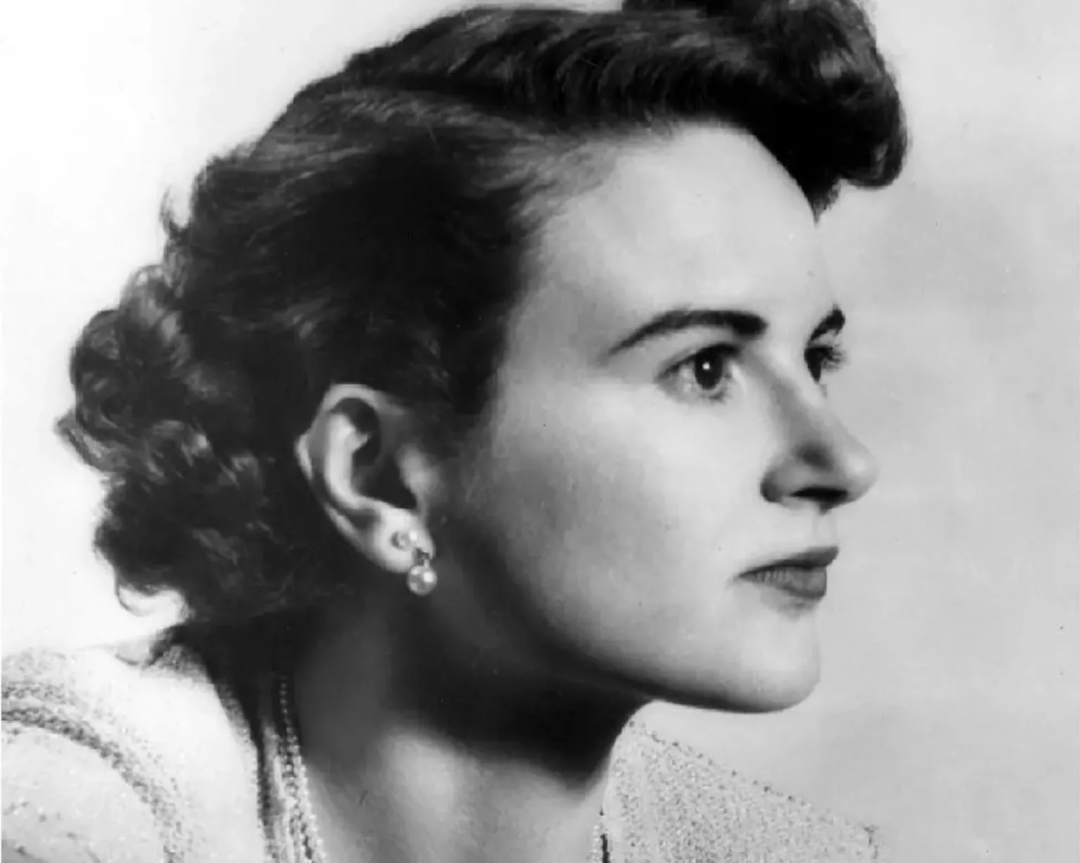
Most astonishing of all was the vitality she continued to show late in life.
At an age when many people in their 90s struggle even to walk steadily, Ruth remained active on concert stages around the world. The original article also recounts that she traveled to Taiwan, China, to teach as a visiting instructor. In 2022, at 97, she signed with the leading international classical label Decca and released a new solo piano album, My Life in Music. On that album, she once again played works by her mentor Rachmaninoff, offering a musical tribute that spanned nearly a century.
Even at 99, she could still sit steadily at the piano and give solo performances that the original article describes as flawless. It quotes her as saying: “Music is meant to bring joy. If my music can still make people happy, then I am doing the right thing.”
Life Is an Open Landscape. You Have Choices.
Through her 101 years, Ruth Slenczynska gave us a vivid lesson.
Today, too many parents resemble Ruth’s father: under the banner of “it’s for your own good,” they impose their anxieties and unrealized dreams on their children. They push them into all kinds of extra classes and graded examinations, terrified that they will fall behind from the very start. Yet Ruth’s story reminds us that a flower forced into bloom through fear and pressure can easily wither along the way, however early or brilliantly it blossoms.
Genuine love needs space to breathe.
The most inspiring thing about Ruth was how she proved to the world that we have the right to start our lives anew at any time. What was wrong with leaving music at 15 to study? With returning after more than a decade away? With releasing a new album at 97?
Life has never been a one-way road that must be traveled according to a strict timetable. It is a vast, open landscape. Once you find something you truly love, it is never too late to begin. And whenever you need to stop and catch your breath, you are allowed to press pause.
Ruth Slenczynska is gone. But the sounds she drew from the keys, and her resilient commitment to keeping her destiny in her own hands, will continue to echo across time and space.
AD
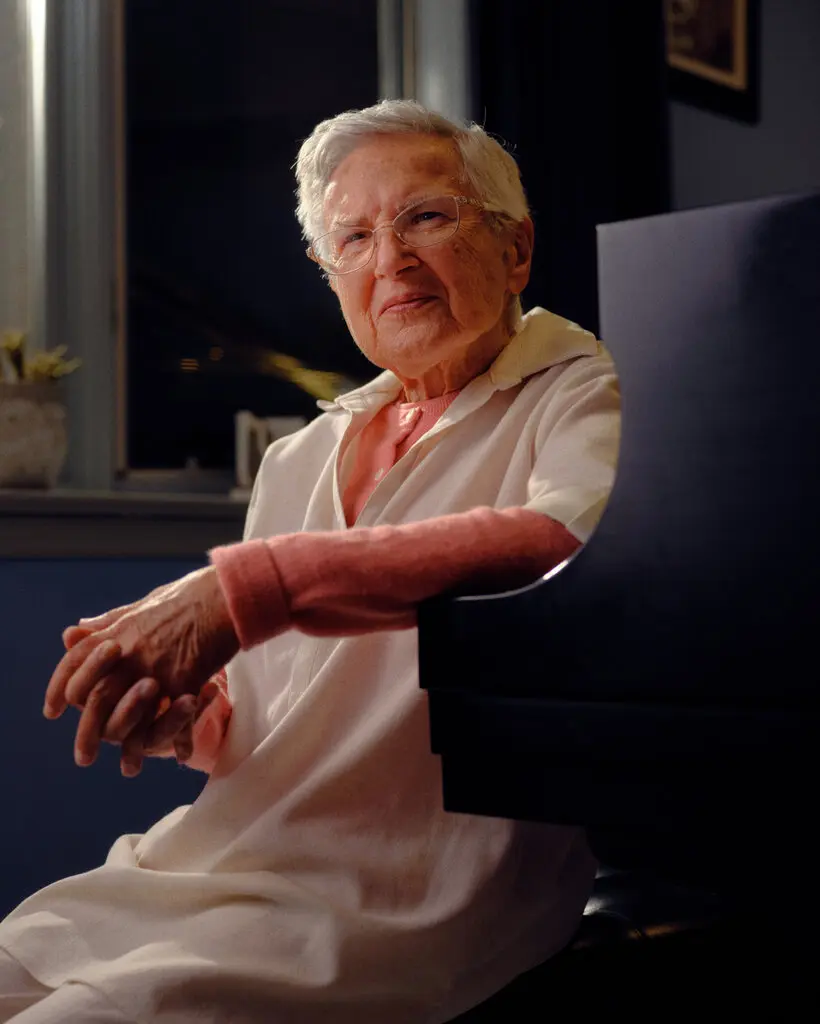
The original China article, published on April 29, 2026, introduced Wonder Piano as a piano practice app that uses gamification and engaging interactions to make practicing enjoyable, and invited readers in China to download it from app marketplaces.